

-
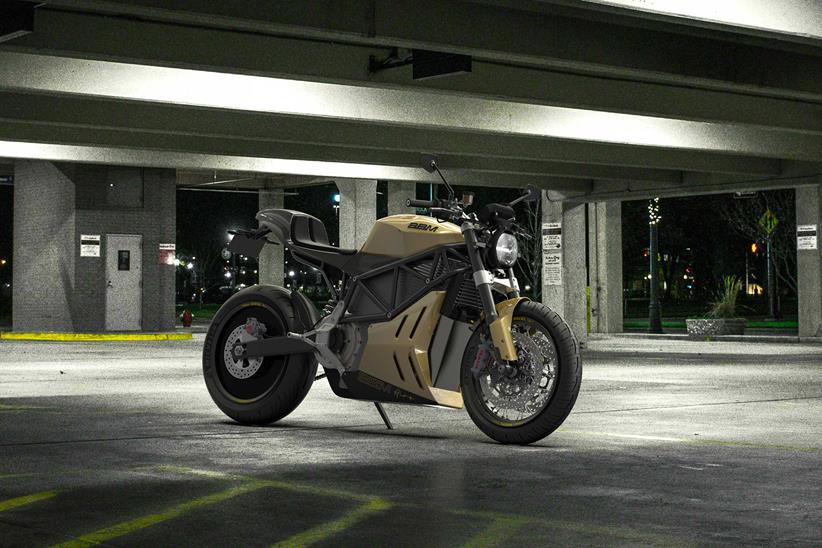
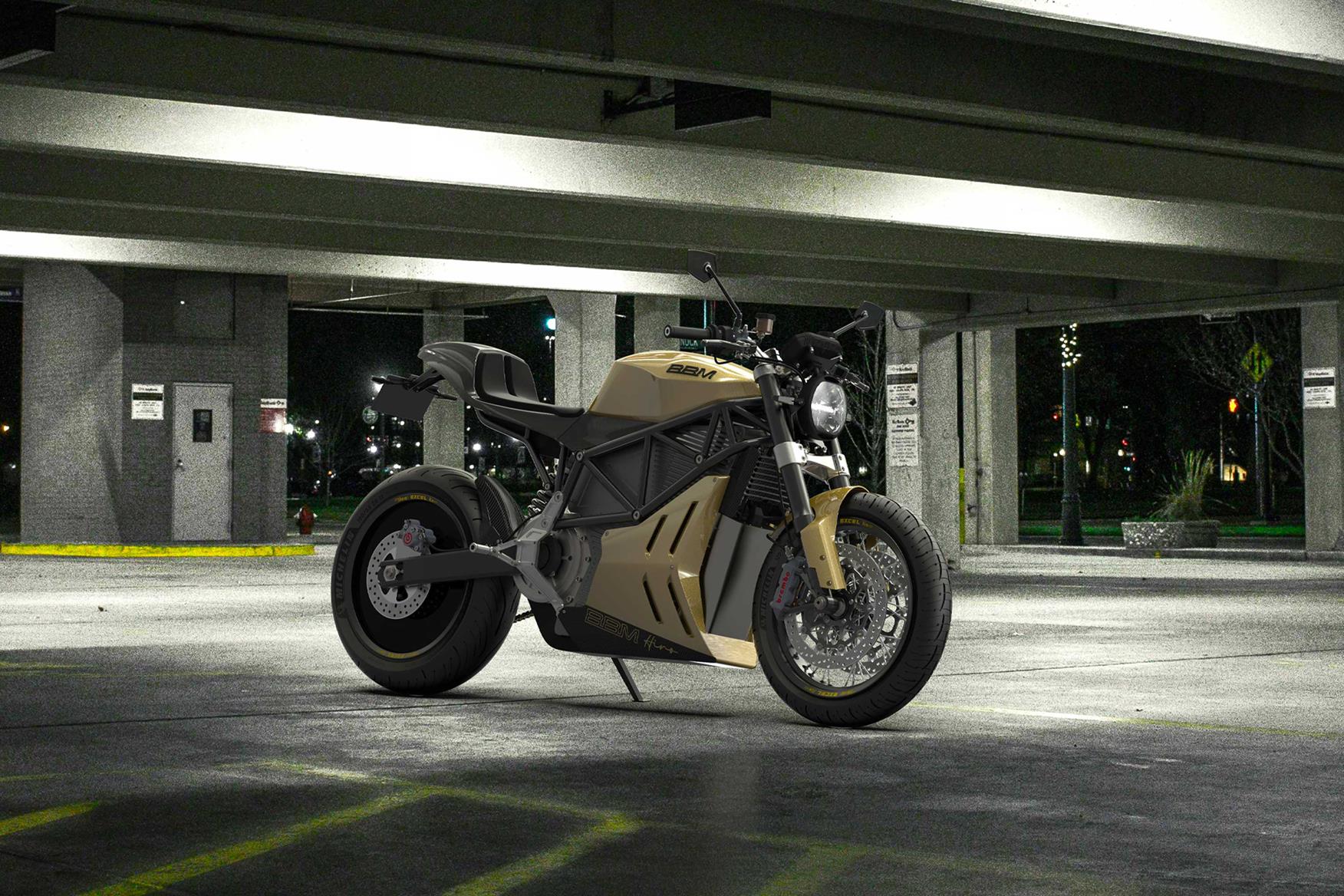
BBM Hiro Streetfigher -
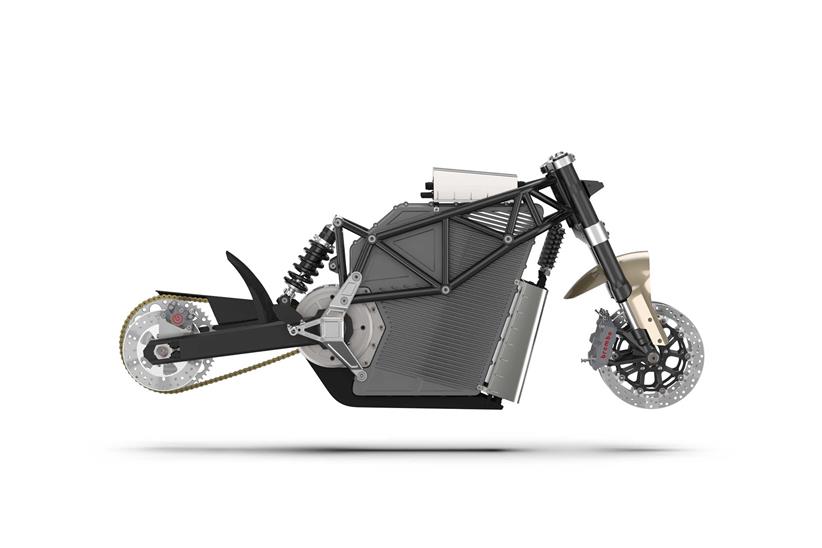
BBM Hiro platform -
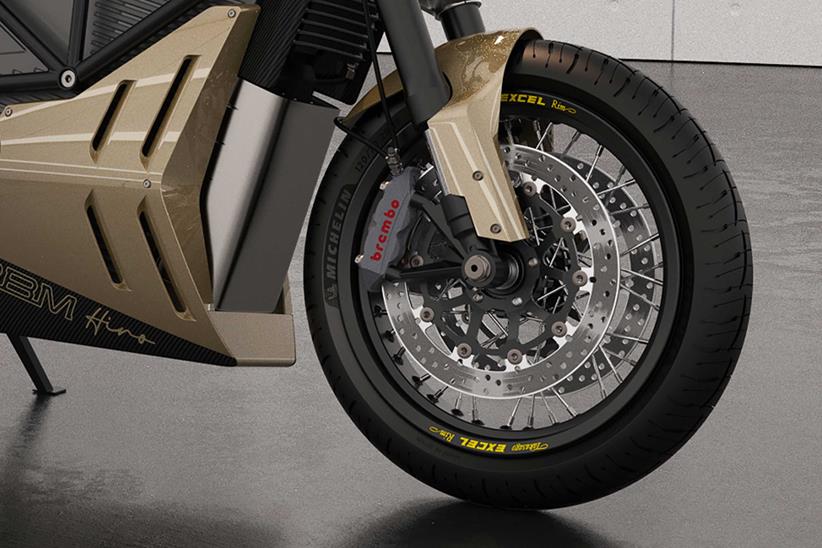
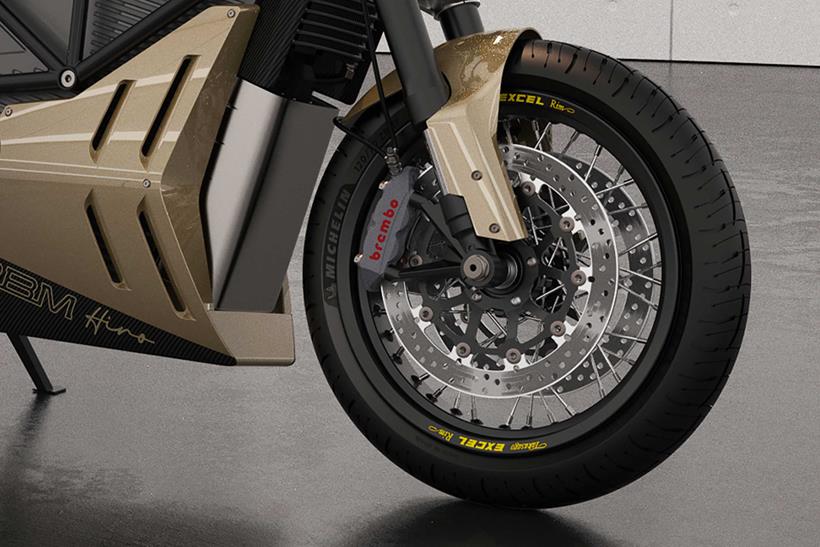
BBM Hiro Streetfighter front wheel -
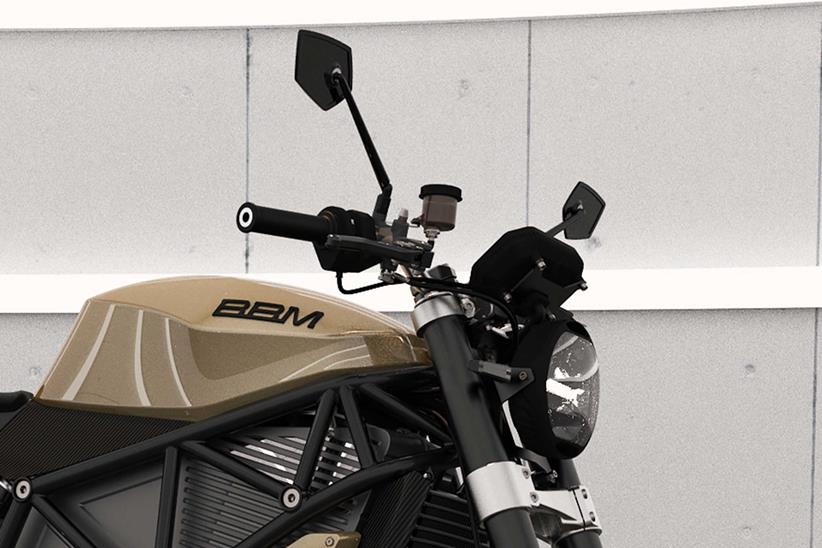
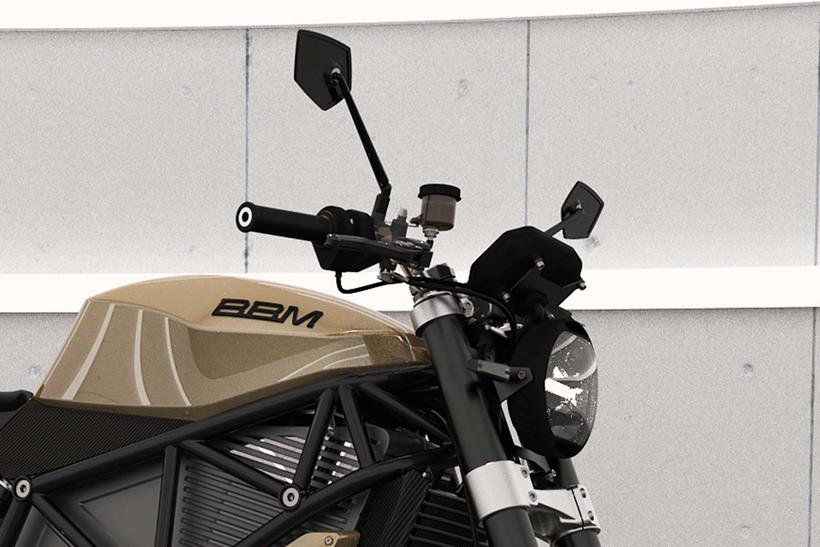
BBM Hiro Streetfighter front light

of
The future may be electric but at present, the technology has one major drawback – recharge times.
Now though, Spanish start-up BBM Motorcycles say they’ve solved this stumbling block, launching their inaugural model with the claim that it can fill its 12.96kWh battery (to 80% at least) in just 15 minutes flat.
Called the Hiro, the bike churns out a claimed 93.9bhp and 110lb.ft of torque and delivers a range of around 220km (136.7 miles) between charges, while being capable of an ultra-quick top-up thanks to the use of DC Fast Charging – which makes it one of the few motorcycles on the market to have this compatibility.
At the fastest charging stations, we’re told riders will be able add 62 miles range in just nine minutes. On a domestic setup, the same 80% charge takes 78 minutes from a Type 2 AC charger (the sort of EV charger most homes have), or 2h40 from a 220V plug socket.
On the flip side of this, while DC Fast Charging is becoming more readily available, there are still limited forecourts that offer it, and if you are able to find one, expect to pay big bucks for the privilege.
Nonetheless, BBM’s founders, French brothers Guillaume and Benoit Barras, say their design marks a shifting point where electric motorcycles can now move beyond the constraints of around town commuting to being real-world usable machines – and thanks to a modular design, the platform can spawn multiple different design types with minimal re-engineering.
The Barras brothers previously ran a custom shop called Angry Lane, founded in 2012. The pair moved into electric motorcycles after noticing a gap in the market.
Benoit said: “People started asking us for an electric motorcycle. At that time, when we looked into it – they were covered in plastic, very heavy, with poor range and long charging times of around five hours. So we decided to make our own.”
To help with development, BBM partnered with Belgian EV specialists Saroléa, who have previously built racing hardware for the Isle of Man TT Zero event.
Guillaume added: “For electric bikes to move beyond just being suitable commuting, they need to offer more experience, and fast charging is crucial to that.
“Two or three years ago, the big brands could have done it already, but fast-charging stations weren’t common enough to make it worthwhile. Today Europe has well over 160,000 DC points and growing, so the feature is finally useful every day.”
BBM use a very high voltage architecture for the battery system. “Higher voltage means you can push the same power with lower current, [which means] less heat [which means] the cells can accept energy much faster,” said Guillaume.
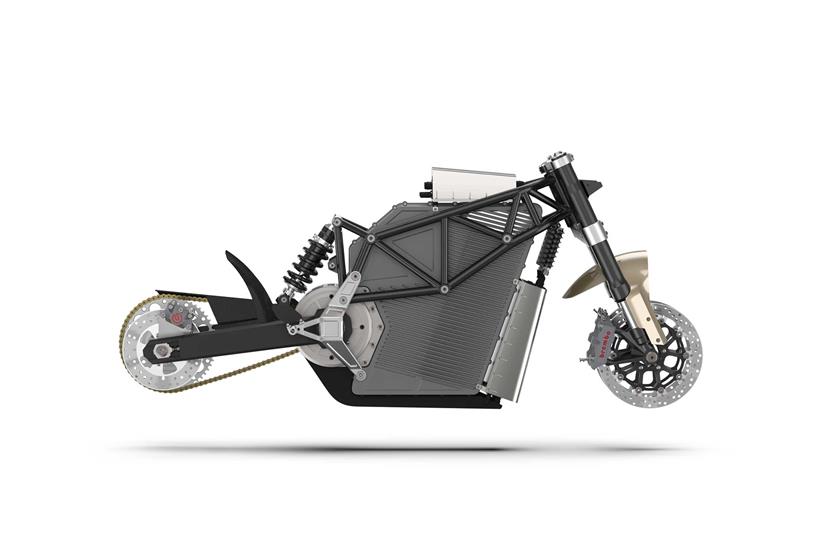
“Most current electric motorcycles run around 100–150V; We use 360V nominal,” he continued. “We use high-performance 21700 cylindrical cells specifically rated for very high charge rates. In the end, it is really a balance between battery pack size, weight of the bike, range, cells and charging time. We simply refused to compromise on the last one.”
The firm also uses a battery monitoring system that can not only monitor every cell in real time, but adjust (or momentarily reduce) the incoming current to keep temperatures in the safe zone.
The company plan to have five prototypes in final homologation form by June next year, followed by ABS calibration over three months. Production will then kick off properly at the beginning of 2027, with the first bikes set to roll off the line within three months of that date.
UK sales are planned, with the company “already in contact with a couple of potential dealers,” and expected pricing is £17,690 including VAT.
The MCN take
Although this could be the breakthrough that some riders need to make the leap to electric bikes, it is entirely reliant on a strong availability of DC fast charging stations. A nine-minute charge time for a claimed 62 miles of range will still mean plenty of trips to the plugs to keep things topped up. Without the right stations available, recharging will remain a slow-going process for riders.
link