

The 1980s and 1990s are widely regarded as the best decades regarding rally racing. The World Rally Championship, or WRC, saw its popularity peak during those decades, with several legacy automakers taking part. Another aspect of the WRC’s then-wide-reaching popularity was the sheer amount of innovations born out of the grueling twists, turns, gravel, and snow that make up most of the tracks the rally cars had to contend with.

Think of Audi’s quattro AWD system. It was introduced in 1980 and was so important to Audi, the car it debuted in was named after the technology. Another important and innovative piece of technology to come from lessons learned in rally racing was Subaru’s Driver Controlled Center Differential (DCCD). It was such an important technology for Subaru, and was so integral to what made the road-going STI so great, that it’s surprising that Subaru doesn’t use it anymore.
.
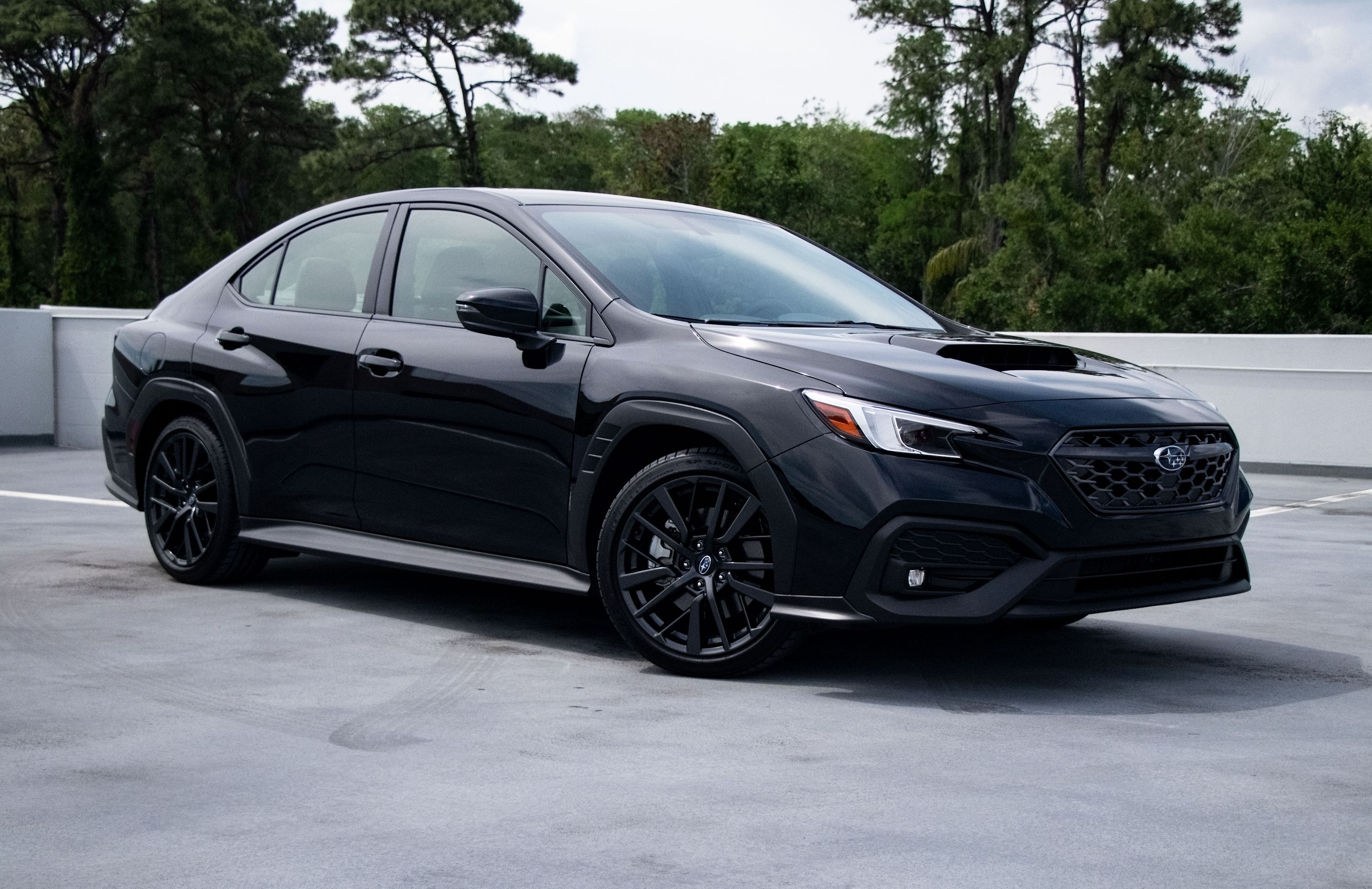
The following article is about past STIs, because Subaru doesn’t sell an STI anymore, though you can still buy the
WRX Sedan
.
What The DCCD Is And How It Works
Driver Controlled Center Differential (DCCD) Key points
- Introduced in 1994
- Originally allowed for manual control of a locking center differential
- Dropped for the first time in 2000
- Resurrected in 2008, only to be dropped again in 2021
In simple terms, the DCCD is a driver-controlled center differential lock. While it seems advantageous to have Subaru’s central differential constantly in a locked position for the best traction, there are a few key reasons to allow for manual selection. For starters, having an open central differential allows for all four wheels to operate independently which, under normal driving conditions, leads to less tire wear, better fuel economy, and less strain on the center diff itself.


Add CarBuzz to your Google News feed.
However, Subaru’s DCCD system is something born out of rally racing that has quite a few pluses. Once adverse driving conditions are encountered and the DCCD system is engaged by the driver, the system now forces all four wheels via both the front and rear driveshafts to operate at identical speeds if Manual mode is selected. This means the Subie’s front and rear axles are getting an equal amount of power, leading to better traction and less slippage.

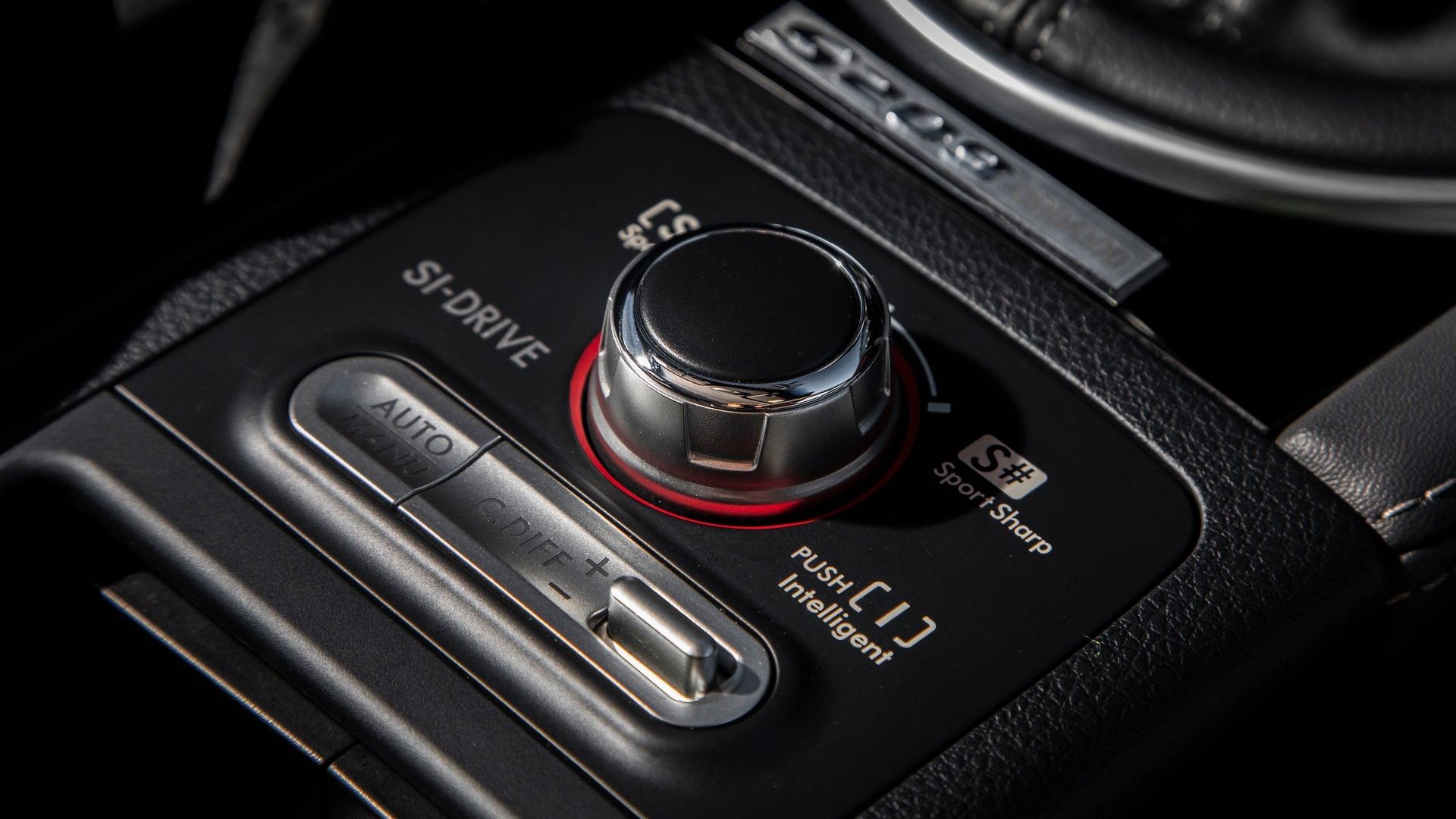
The DCCD system uses an electronic signal to engage an electromagnetically activated clutch pack in the center differential, which then locks both the front and rear driveshafts together, forcing them to turn at the same speed in manual mode. Subaru’s system also allows for drivers to control just how much power is sent to each axle, meaning that while you can lock the two driveshafts to the same speed, you can also alter this amount.
Related
Subaru Finally Introduces A Proper WRX STI, But One Thing’s Sorely Missing
The successor to the ultra-limited WRX STI S209 surfaces and is headed to production.
The Impreza WRX STI utilizes a rear-drive-biased system, so the more you turn up the DCCD system, the more power is sent to the front wheels, but will never exceed 50 percent. Being able to alter the specific amount of power sent to each axle is part of the STI DCCD’s Auto mode. As we said just a moment ago, having both axles locked together via the central differential only happens if Manual mode is selected.
Subaru’s Power-To-The-People Moment
Most of us have driven or ridden in some sort of pickup truck or SUV with four-wheel drive. Typically, four-wheel-drive-equipped vehicles have some sort of selector used to engage the four-wheel-drive system, such as a button, switch, or lever. Older four-wheel drive vehicles had manual hub lock-outs, which were large dials stuck onto the front wheels that drivers had to turn to engage in order for the four-wheel drive to work.
While many passenger cars have all-wheel drive, which is different from four-wheel drive but uses a system that drives all four wheels as well, nearly all do not allow you to control any aspect of the all-wheel drive system. In other words, cars with all-wheel drive typically use a constant, or full-time system. Many cars have front- or rear-drive bias, where the majority of the power is sent to either the front or rear wheels. Most cars do not allow drivers to alter this ratio, except for a select few, like the Toyota GR Corolla.
Subaru’s famous Symmetrical All-Wheel Drive (SAWD) system, which came about in 1972, utilized a centrally-mounted differential that could independently send power to whichever wheel had the most traction at any given time using a series of clutch packs. Basically, it was an all-mechanical system with no electronic help at first. Once the Subaru XT coupe came about in 1985, it became the Japanese automaker’s first all-wheel drive sports car, and its SAWD system was selectable, meaning the entire system could be turned on or off. However, its centrally-mounted diff was considered an open diff, without any sort of clutch pack.
Related
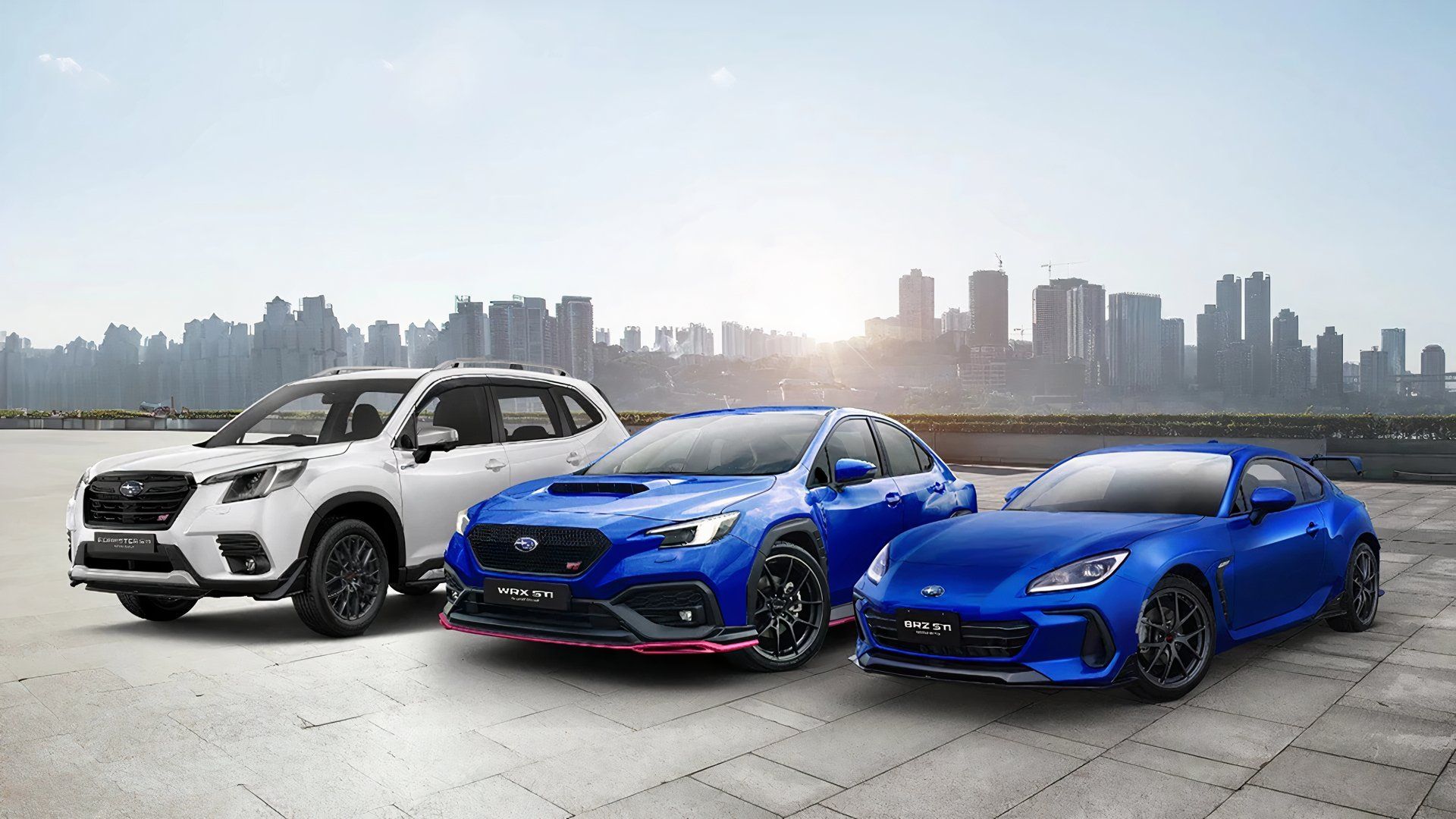
Subaru Finally Gives Us Three STIs, But It’s Catfishing
The BRZ, WRX, and Forester get some STI spiciness, but only some, and only on shores distant.
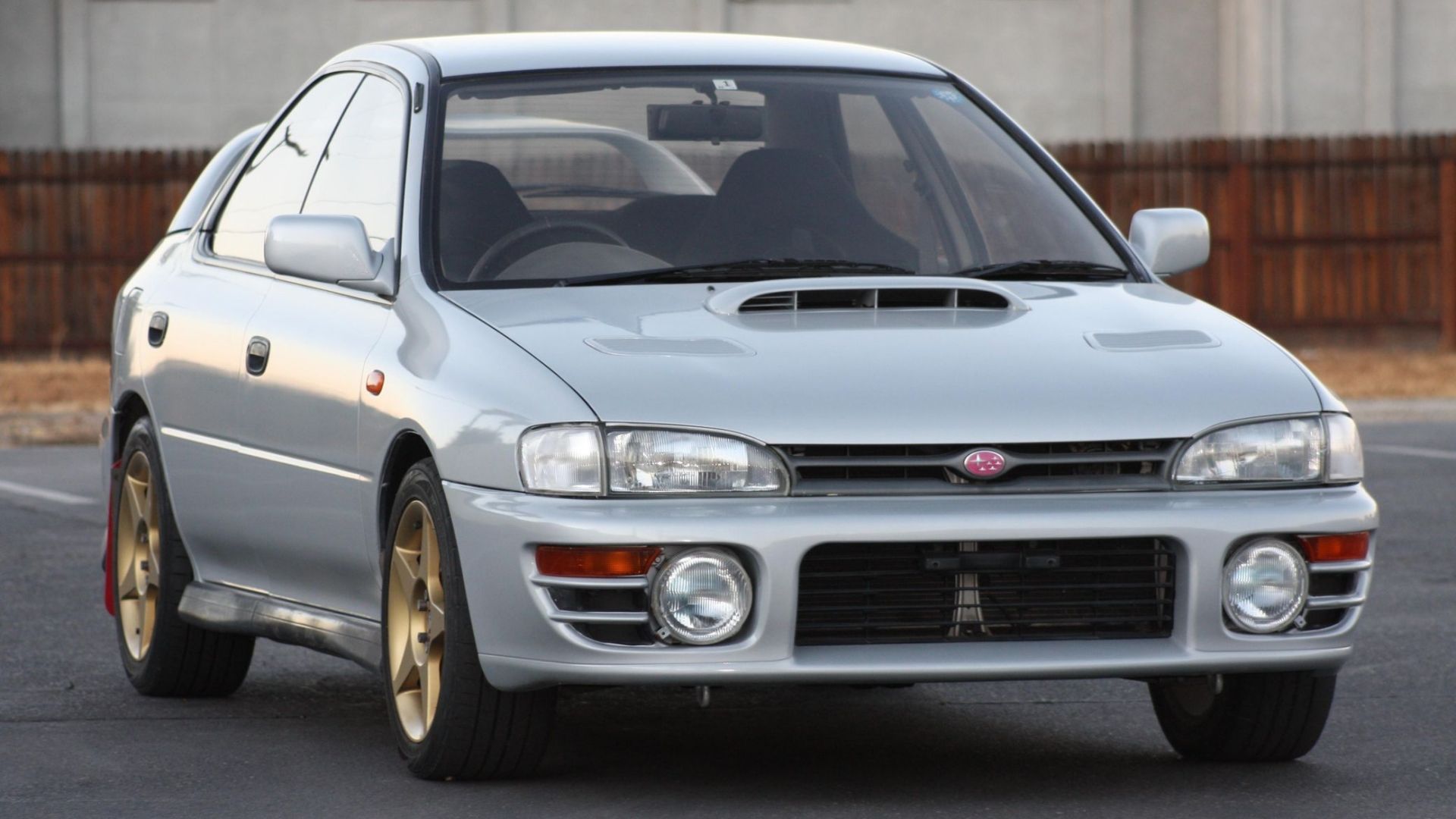
Nine years later, and just two years after Subaru launched the rally-bred Impreza WRX, they unleashed the Impreza WRX STI, a suped-up, hardcore version of the normal WRX. That same year, Subaru introduced the Impresza WRX STI Type RA, with more power and fewer creature comforts in the pursuit of speed. Most importantly, the ’94 WRX STI Type RA came with the first-ever version of the DCCD system.
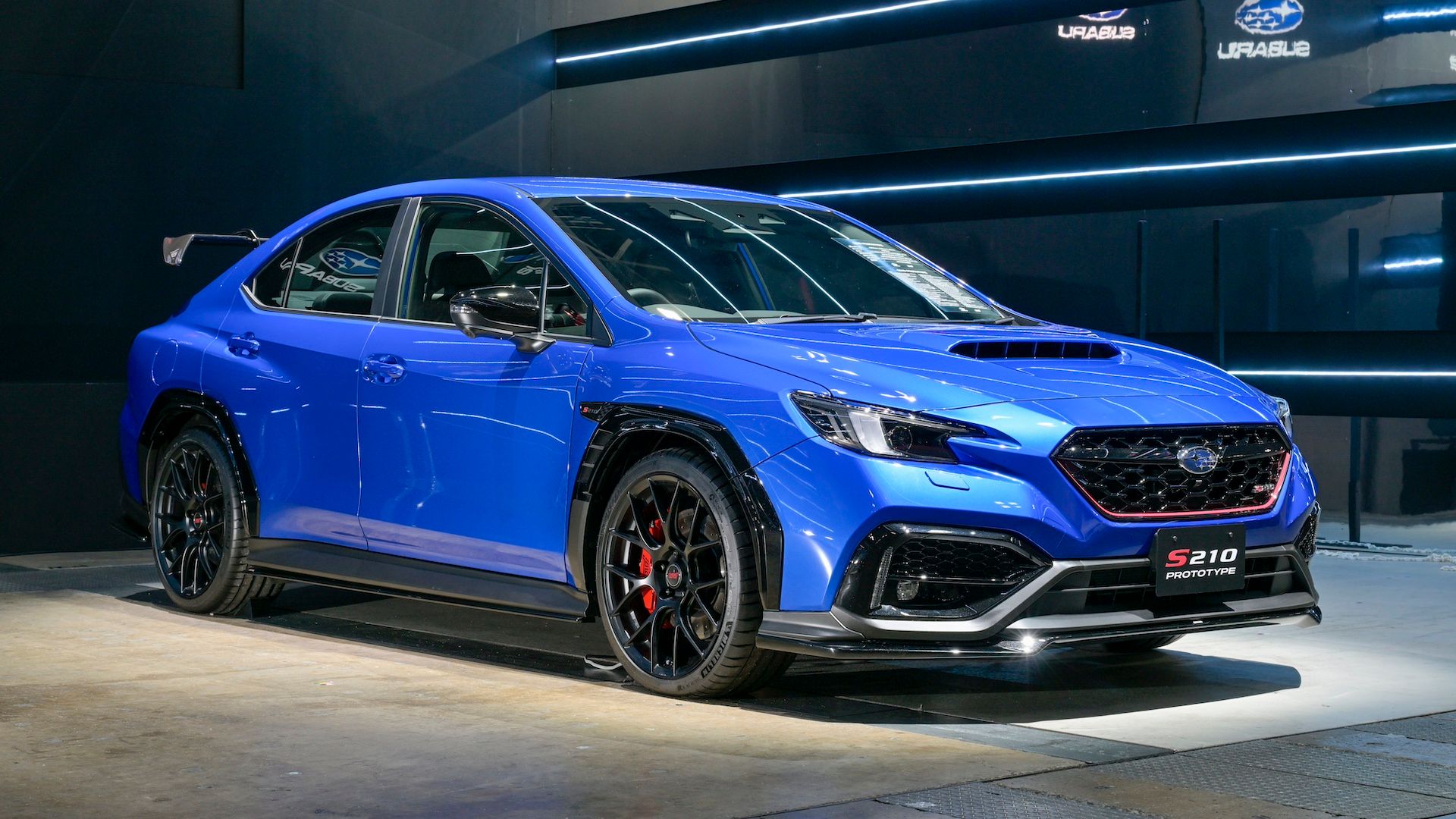
Why The New WRX S210 Prototype Can’t Be Called A Proper STI
Following the end of the limited-production run of the Subaru WRX STI S209 in 2019, Subaru’s STI nameplate was axed in 2021. The reason we bring up the S209 is because Subaru’s newest WRX prototype, the S210, seems to be trying to live up to the hype of the S209 WRX STI from a few years ago. While any hot Subaru can be a good Subaru, the S210 can’t be considered a true STI for one very important reason.
Related
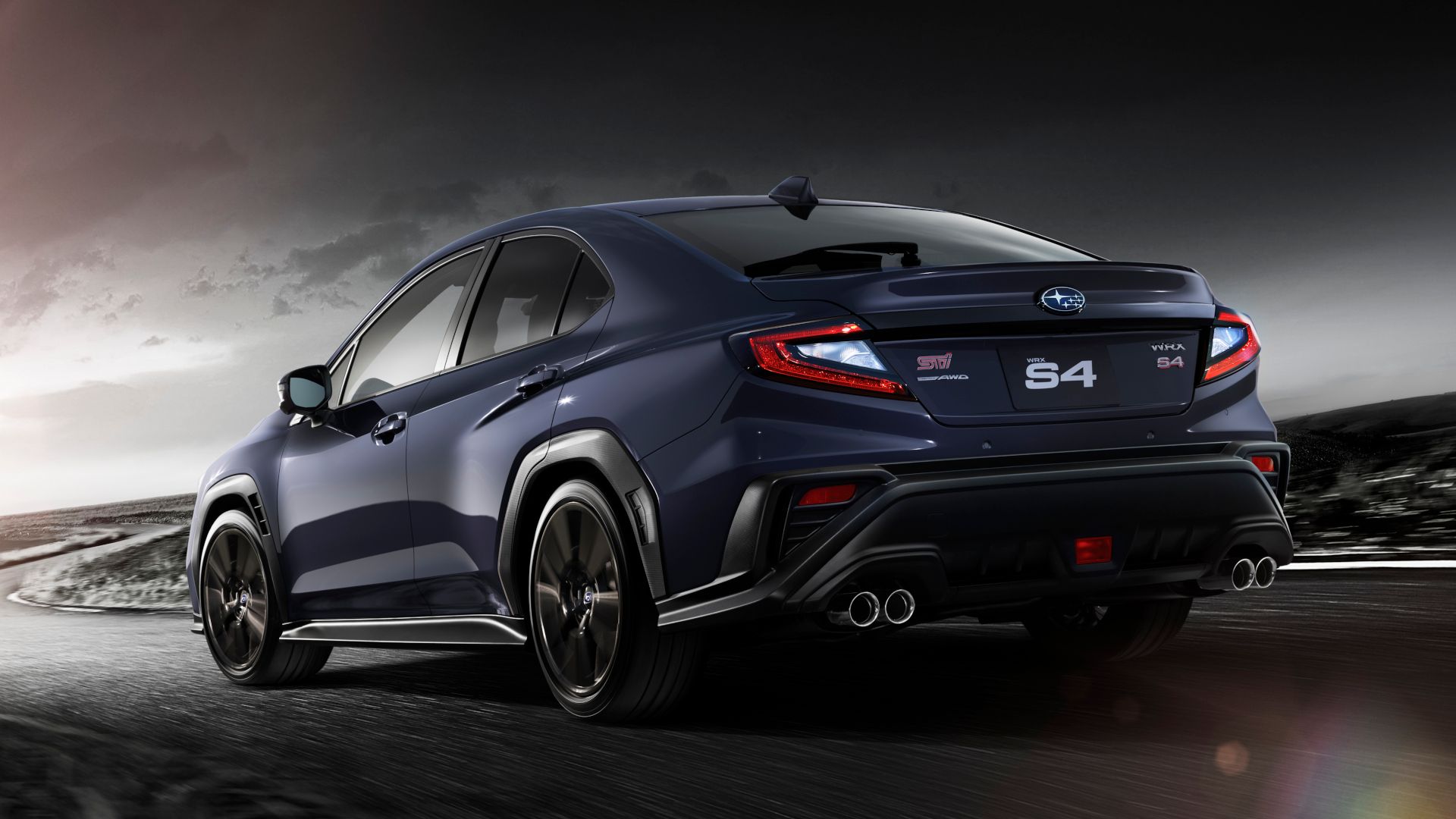
Subaru’s Best Attempts Yet At A New STI Are Forbidden Fruit
Subaru adds STI flair to WRX and Levorg in Japan; America gets a more subtle taste.
That reason is its lack of any sort of DCCD system. Its lack of a limited-slip differential means it, presumably, won’t have the dynamic handling depth of its spiritual predecessors. To make up for the lack of a DCCD system, Subaru has provided the S210 with specially tuned suspension with coil springs, electronically controlled dampers, and a rear stabilizer bar. Along with this, it receives six-piston front brake calipers courtesy of Brembo, bigger brake rotors, and special brake pads.
Related
Here’s The Real Reason Why Subaru Won’t Build An All-New WRX STI
Subaru confirmed it wouldn’t be making an STI version of its latest WRX model when it was released, and this is the real reason why.
While those upgrades are all well and good and will, undoubtedly, lead to some impressive stats, only time will tell if they can make up for the gaping hole left by the absence of a limited-slip DCCD system. As of now, we’re not sure if it will be available in the US, and Subaru has stated they’ll only be making a total of 500 examples, and those 500 will be spread out across multiple markets.
Mitsubishi Also Created Its Own Version Of DCCD
Mitsubishi unveiled its own version of Subaru’s DCCD system, called “active center differential” or ACD, in early 2001, attached to its then-new Lancer Evolution VII model. As you can imagine, because both Mitsubishi and Subaru are rallying icons, there are some similarities between the two technologies. They both employ a central differential mounted between the front and rear axles, and both the DCCD and ACD systems allow for driver-tailored torque split.
However, Mitsubishi’s system differs in that the ACD, part of their Ralliart-bred S-AWC all-wheel drive system, supports a slightly front-biased power split. Meanwhile, as we pointed out earlier, the Subaru’s DCCD is rear-biased. Mitsubishi’s ACD tech also operates mostly automatically, with the only driver-controlled aspect being selecting between three drive modes; Tarmac, Gravel, and Snow. Subaru’s system allows for a much greater range of modifications, and many keen drivers prefer Subaru’s system over Mitsubishi’s for this reason.
Sources:
Subaru, Mitsubishi.
link