Harley-Davidson’s Electric Motorcycle Spinoff Dropped Its Prices So Low That Its Bikes Are Seriously Enticing
Electric motorcycle companies have found the American market tough to crack. Limitations with current battery technology have meant that, for a while, electric motorcycles have usually cost significantly more than their gasoline counterparts. One electric motorcycle company has turned a corner and has found a brilliant way to attract more customers. LiveWire, the electric motorcycle spinoff of Harley-Davidson, recently dramatically lowered its prices. Now, these electric bikes are beginning to look seriously appealing.
Harley-Davidson has had a pretty rough ride with its electric motorcycle ambitions. Back in 2019, Harley launched the LiveWire motorcycle. To date, it’s still one of the greatest motorcycles I have ever ridden. However, its starting price of $29,799 was bewildering. That kind of money would buy you some of the greatest flagship motorcycles on the market, so it was just hard to swallow that price for a bike that had a combined range of just 95 miles.


Harley-Davidson has since spun off its motorcycle division as its own company named LiveWire. The original bike is now known as the LiveWire One. Since then, LiveWire has also launched a slew of middleweight electric motorcycles with the new S2 Alpinista sport standard, the S2 Mulholland cruiser, and the S2 Del Mar street tracker. All of these motorcycles look awesome, and it sounds like people love how they ride. What’s also really cool is that since LiveWire is still a sibling of Harley, you can technically say that Harley finally builds bikes for almost every kind of rider! The problem was just that LiveWire has had trouble selling them.
Bike Math

Sadly, the data speaks for itself. Here’s what I wrote last year:
LiveWire sold 597 motorcycles in 2022 and just 660 motorcycles in 2023. The company says it lost $85 million in 2022 with the losses deepening to $125 million in 2023. How rough is it for LiveWire? The company sold exactly zero of its flagship LiveWire One motorcycles in 2023. LiveWire is expected to burn up to $115 million of Harley-Davidson’s money by the end of this year and still end up selling well under 1,000 motorcycles doing it.
According to LiveWire, the motorcycles aren’t even bringing in that much money. In the third quarter, LiveWire sold $3.2 million in children’s balance bikes compared to just $1.2 million made from selling 99 electric motorcycles.
LiveWire ended its 2024 selling only 612 motorcycles. For those of you doing the math, that’s fewer motorcycles than it sold in 2023, and that year’s numbers already weren’t great. Things are looking grim this year. LiveWire sold only 55 motorcycles in the second quarter, a whopping 65 percent decrease from 2024. The first quarter was somehow worse, with LiveWire moving just 33 units. The company burned nearly $40 million in the first two quarters to move just 88 motorcycles.

I’ve explained the problem that many American riders have with electric motorcycles. These motorcycles are awesome and revolutionary, but are simply too expensive for what you get. As it stands, you can buy a $22,000 Zero that’s marketed as an adventure bike, but if you take it on a highway, it will go around 90 or so miles before you have to camp out at a charger for an hour or two. Electric motorcycles get the best range scooting around cities, but even then, with many units often costing above $10,000, it’s hard to get people off of cheaper alternatives like the Honda Grom or an electric bike imported from China.
Sadly, this problem isn’t realistically going to be solved until there’s either a major breakthrough in battery chemistry or the manufacturers dramatically change their pricing in America. This is because batteries make up the bulk of the cost of these motorcycles.
Getting back to LiveWire here, just about any other company without the backing of the fortunes of Harley-Davidson would have closed up shop a long time ago. Something had to change. If trends continued unabated, LiveWire would have likely sold half as many motorcycles this year as it did last year.
Huge Discounts
LiveWire has done something pretty cool. In a world where everything has gotten more expensive, LiveWire has dropped its prices, and the drops aren’t small, either.
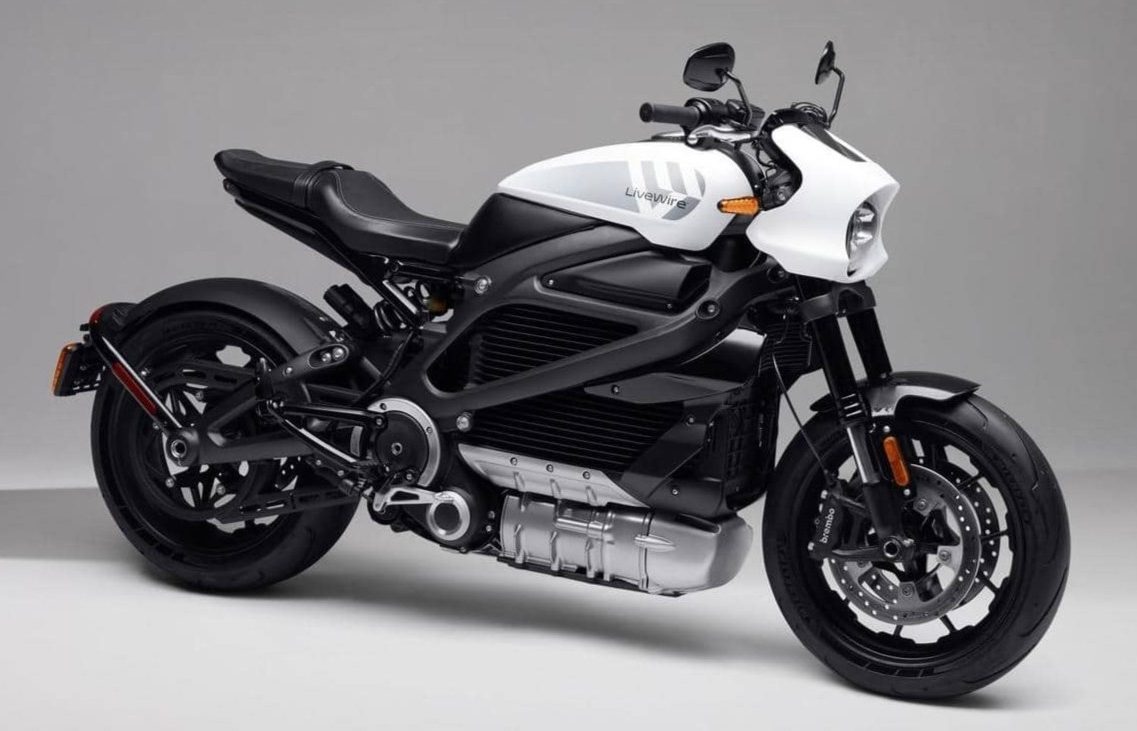
Let’s take LiveWire’s debut bike, the LiveWire One (above), which used to be called the Harley-Davidson LiveWire. The price of this motorcycle has steadily decreased since 2019, and earlier this year, the price reached $22,799. Its new price? $16,499. That’s almost half off from its original price!
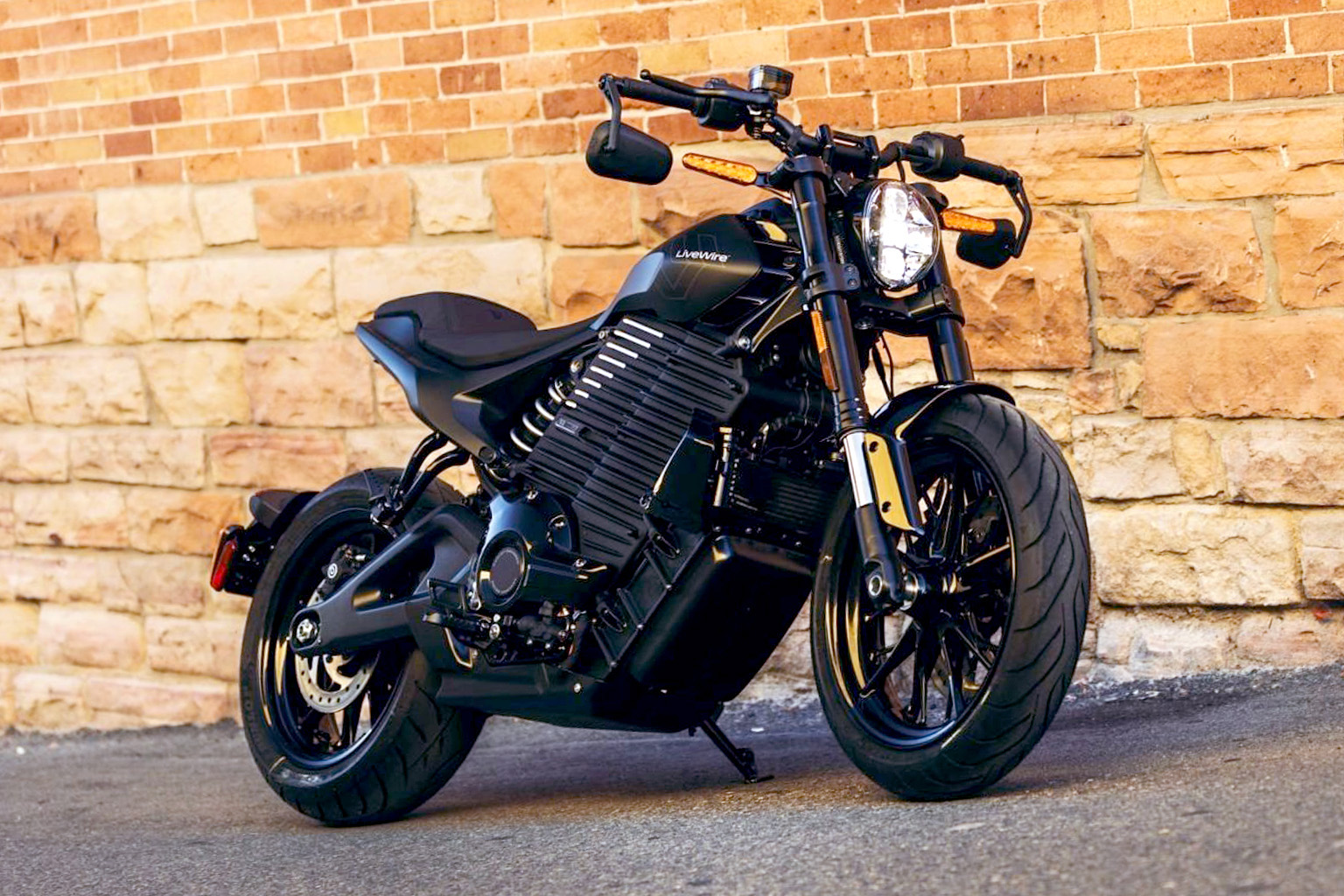
Next is the S2 Alpinista (above). This electric sport standard motorcycle launched in January 2025 and immediately got rave reviews. Its price at launch was $15,999. Now? It’s $11,999.
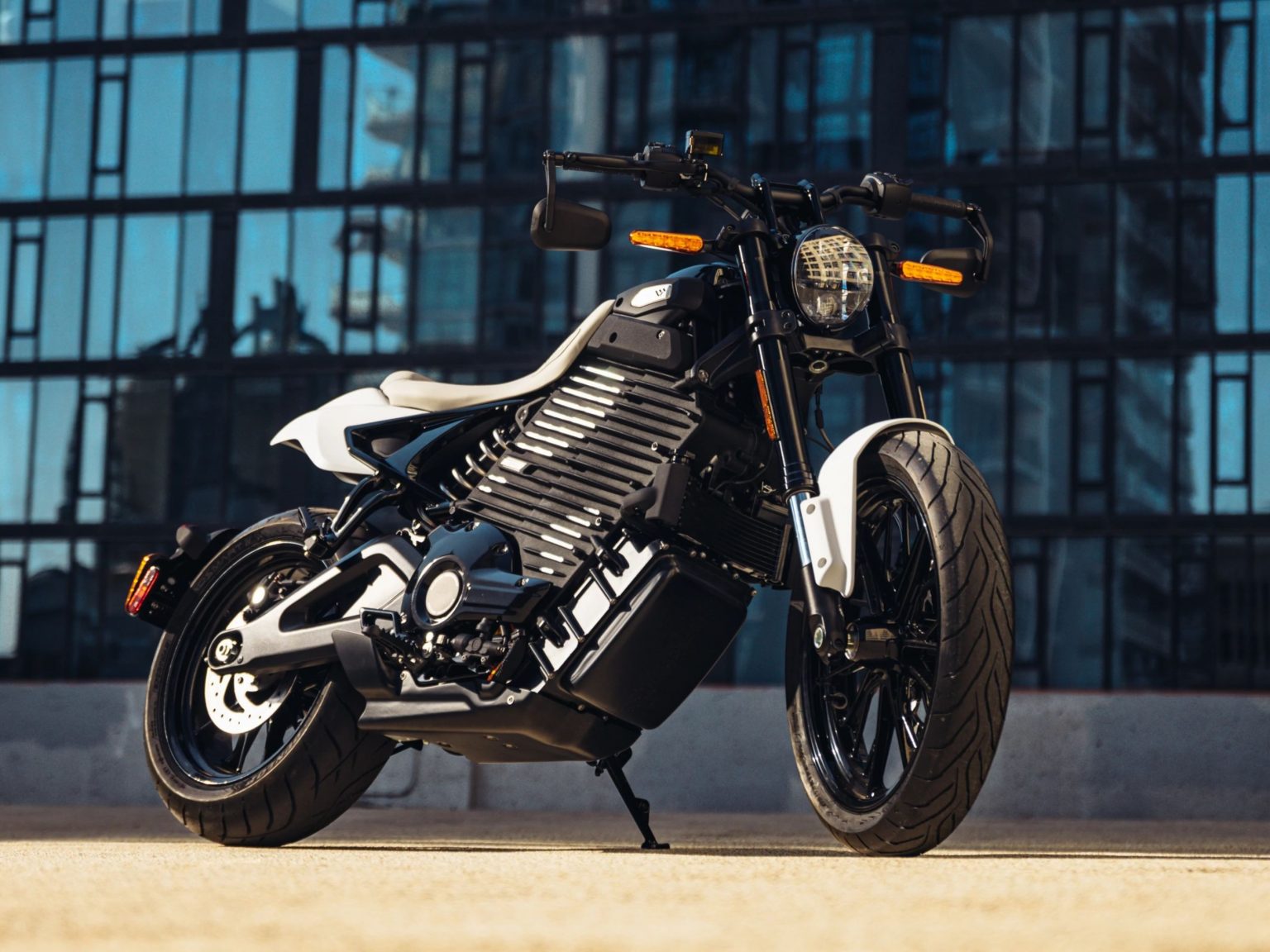
Down from there is the S2 Mulholland (above), LiveWire’s electric performance cruiser that launched in early last year. Its price was $15,999. Now it’s $10,999. That’s a pretty big pile of cash off!
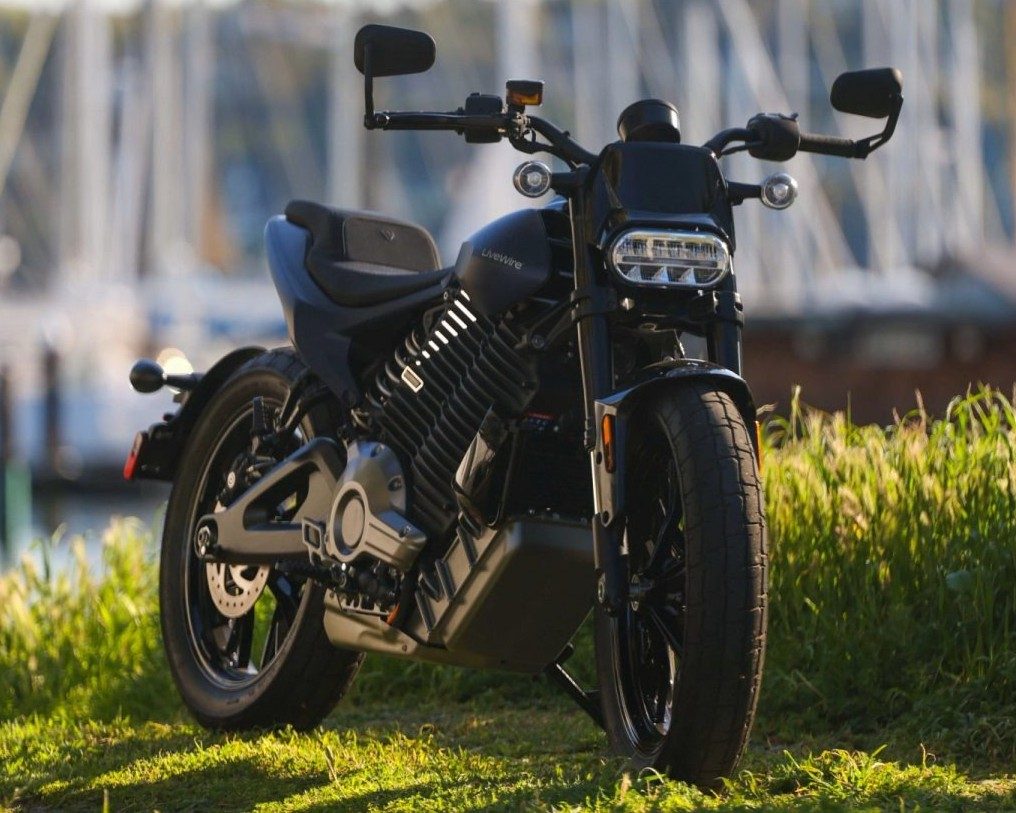
Finally, we arrive at the electric motorcycle that launched LiveWire’s entire S2 platform, the Del Mar street tracker (above), which launched in 2023. That one had a price of $15,499, and now it’s just $9,999.
Honestly, LiveWire will get no complaints from me here. The company more or less slashed its prices by a third here, which is amazing because it seems everyone else is raising prices right now.
As for the motorcycles themselves, they’re all slightly different flavors of the same thing. They’re all based on LiveWire’s scalable Arrow architecture, specifically the S2, which is the middleweight version of the platform. From my previous reporting:
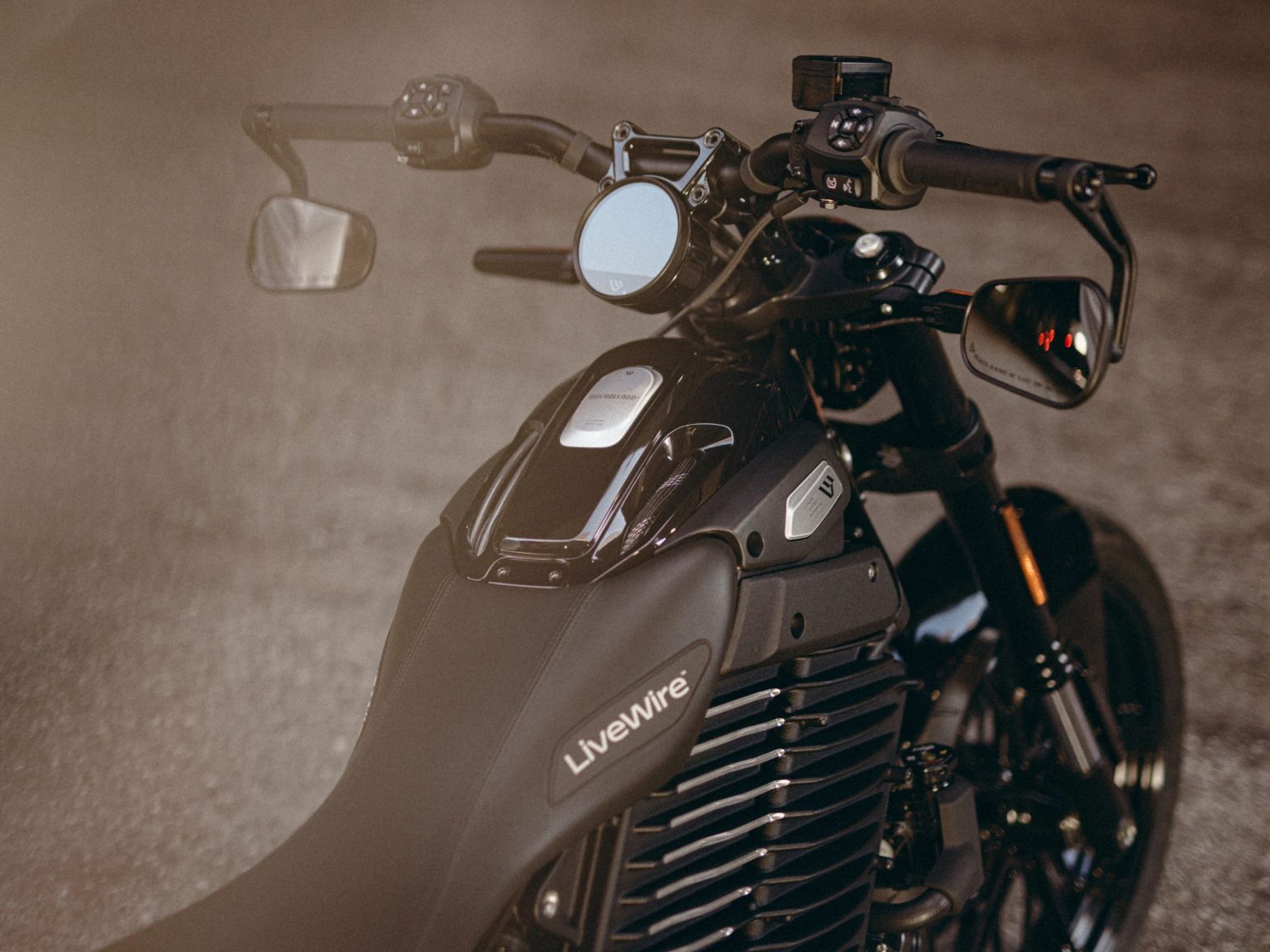
This architecture is the next generation of the platform that underpins the old LiveWire and has upgrades including a battery and motor that are structural elements. Likewise, Harley engineers simplified the platform so that the newer Arrow bikes can be built in 44 percent less time than the old LiveWire. Perhaps even better, Arrow was designed so that it wouldn’t be terribly difficult to make S1 heavyweight motorcycles or S3 lightweight motorcycles all on the same platform.
If you go to LiveWire’s website, you’ll find that all three S2 models will go between 113 miles and 120 miles on a charge in a city from a 10.5 kWh battery, hit 60 mph in around 3 seconds, punch it down the road with 84 HP, and take two hours and 20 minutes to charge fully at the fastest. All of them even weigh roughly around 430 pounds and change. Really, the differences between them are in riding style. The Mulholland is a laid-back cruiser, the Del Mar is the flickable street bike, and the Alpinista is the sporty all-rounder.
Finally Attractive

I have written articles about all of these (links above), but sadly, I have not gotten the chance to ride them yet. I hope to change that one day. Either way, I think with these lower prices, these bikes are finally pretty alluring. A LiveWire electric motorcycle is now within reach for so many more riders, and I adore that.
Personally, if you ball on a budget like I do, I’d get the Del Mar and wheelie away with a smile on your face. As I said, the S2s are all very similar, anyway.
I have no idea if these pricing changes will alter the course of LiveWire’s sales. Honestly, I hope they do. I’ve been hard on LiveWire, but that’s not because I dislike it, quite the opposite. LiveWire is at the cutting edge of Harley-Davidson’s technology and shows that even the ol’ Motor Company still has new tricks up its sleeve. Well, and as someone who was born in Wisconsin, it’s hard not to root for the home team. Maybe these price drops will work. We’ll see!
link