
Ignoring over-the-air updates can void your GM warranty. What to know

Skipping that update could be more dangerous than you think.
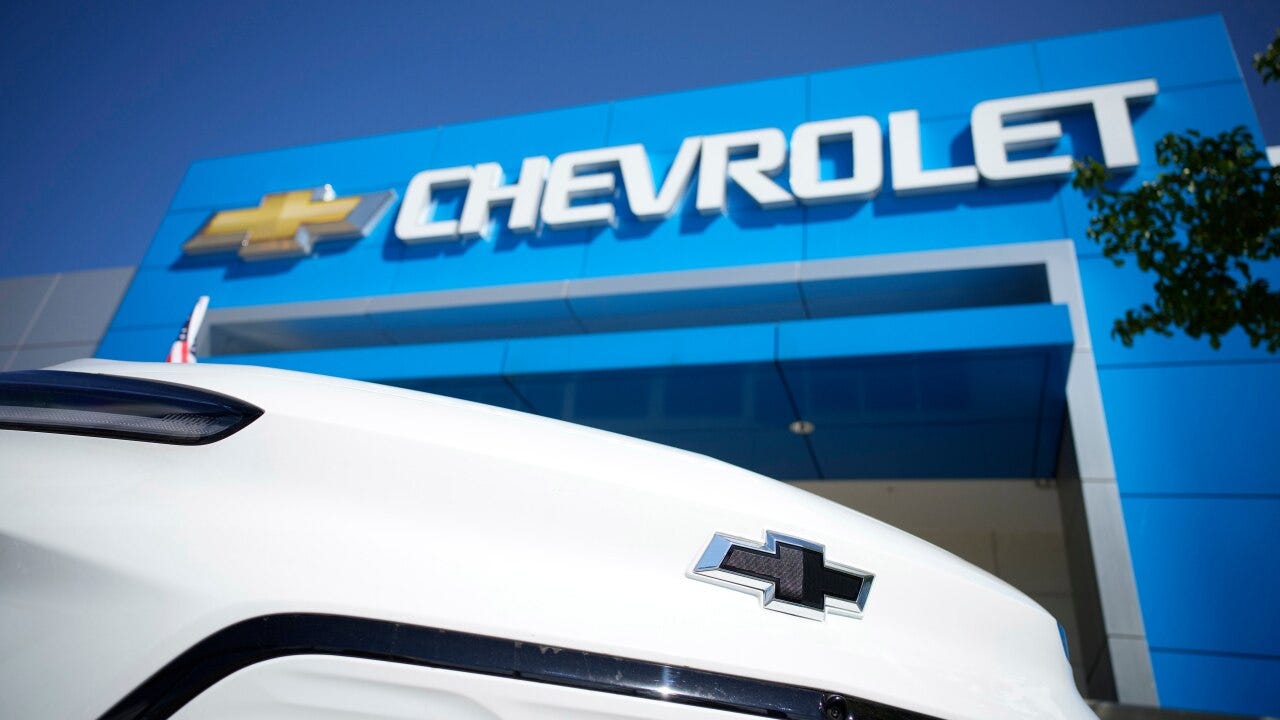

General Motors to record $1.6B loss after end of EV tax credit
GM will take a $1.6 billion hit after the U.S. ends EV tax credits and eases emissions rules, forcing the automaker to scale back electric vehicle investments.
Scripps News
- General Motors, along with several prominent car brands, use over-the-air updates to fix and upgrade vehicles.
- Ignoring these updates could cause operational and warranty issues.
Over-the-air (OTA) updates can be a blessing and a curse for modern drivers.
OTA updates allow automakers to issue software upgrades and fixes to vehicles without having to physically service them via a service center. These updates can be more convenient for drivers, but failure to download and install the updates can have severe consequences.
General Motors OTA updates: Install or suffer the consequences
Cars are more advanced than ever before, from mind-blowing driver-assistance and safety features to software beyond anything most drivers have ever experienced. OTA updates are one of the latest and greatest trends in automotive software. These updates essentially allow car brands to patch software bugs and upgrade vehicles remotely, nipping issues in the bud and improving vehicles without the help of a licensed technician.
So, what happens when an over-the-air update is available for your GM vehicle and you forget (or refuse) to download and install it? You could impact your warranty, according to GM Authority, a blog that focuses on General Motors developments.
Owners must install OTA updates “within 45 days of their availability” or risk uncovered damages, says the site. In other words, failing to download and install updates could lead to software issues that result in damages. These damages aren’t covered under a warranty if the owner doesn’t update their vehicle in a timely manner.
It’s important to note that GM owners will be prompted when there’s an available OTA update for their vehicle via their infotainment system. So, it’s better to install General Motors’ OTA updates sooner than later. Consider how reliant new vehicles are on software for critical operational functions. Like your smartphone, your car functions better when it’s promptly updated.
Why are car brands using OTA updates?
More technology-centric vehicles on the market can be a net-positive for drivers, but they come with their own unique needs compared to old-fashioned vehicles.
Over-the-air update capabilities:
- Fix software bugs and potential security issues
- Enhance vehicle performance
- Add new features
- Fix and/or upgrade existing features
- Update vehicle to meet regulatory standards
OTA updates are a necessity for vehicles heavily-reliant on software for operational purposes such as Tesla vehicles. These updates can make vehicles safer and even fix and add features.
The download and installation process may seem tedious for drivers who aren’t accustomed to OTA updates, but the act is much simpler than driving a car to a service location and waiting to get it serviced. These updates require an internet connection via Wi-Fi or cellular data.
What car brands use OTA updates?
Over-the-air updates are much more common than you may realize. In fact, most major car brands are implementing OTA updates to protect, improve and fix their vehicles, completely transforming the modern vehicle service experience.
Car brands that use OTA updates
- Audi
- BMW
- Ford
- General Motors
- Honda
- Hyundai
- Kia
- Mercedes-Benz
- Nissan
If you recently bought a new car, chances are it uses OTA updates. These updates are likely to become more prevalent as major automakers focus on developing software-centric vehicles. So, if you’re prompted to download and install an update by your car’s infotainment screen, better to be safe than sorry.
link